Laparoscopic spey in Brisbane
Your pet is family and should be treated as such. A laparoscopic spey minimises trauma and discomfort. Red Hill Vet can perform this minimally invasive spey and ensure that your dogs and cats live the life they deserve.
What is a laparoscopic spey?
Laparoscopy, also called bandaid or keyhole surgery, is a modern surgical technique aided by cameras that enable surgeons to access the abdomen or pelvis without the need to make a large incision. When it comes to laparoscopic desexing, small portholes are made to enter the abdomen and only the ovaries are removed – unlike traditional spaying where both the ovaries and uterus are removed.
Less invasive
A laparoscopic spey requires one or two incisions of 0.5-1cm, as opposed to the 6-15cm incision required for traditional spaying. Because it is much more precise, there will be less bruising at the surgical site and less trauma to the organs.
Less pain
Your pet will experience less surgical trauma during a laparoscopic spey than traditional desexing.
Faster recovery time
As laparoscopic speying is a minimally invasive surgical technique that only removes the ovaries and not the uterus, your pet will recover more quickly. Generally, they will be back to themselves the same day and back to normal activities within a few days.
Less complications
Each surgery carries some risk, even common ones like spaying. A laparoscopic spey provides surgeons with a much better view of the surgical areas, consequently minimising the chance of complications.
How much does a laparoscopic spey cost?
Laparoscopic desexing costs more than traditional spaying, yes, but specialised equipment is used and you get your money’s worth – less trauma to your pet, faster recovery, and less chance of surgical complications. There’s a reason it’s considered the gold standard of spaying.
We provide an estimate of expenses up-front and are flexible with bookings to best suit your schedule.
Preparation for a laparoscopic spey
If you have chosen to spey your pet at Red Hill Vet, you should:
- Withdraw food the night before surgery;
- Check your pet for any signs of illness, such as sneezing, coughing, or diarrhoea. If your cat or dog is displaying any of these symptoms, inform our vet before surgery;
- Prepare and bring your pet’s medical and vaccination records, if we don’t already have them on file.
The laparoscopic spey procedure
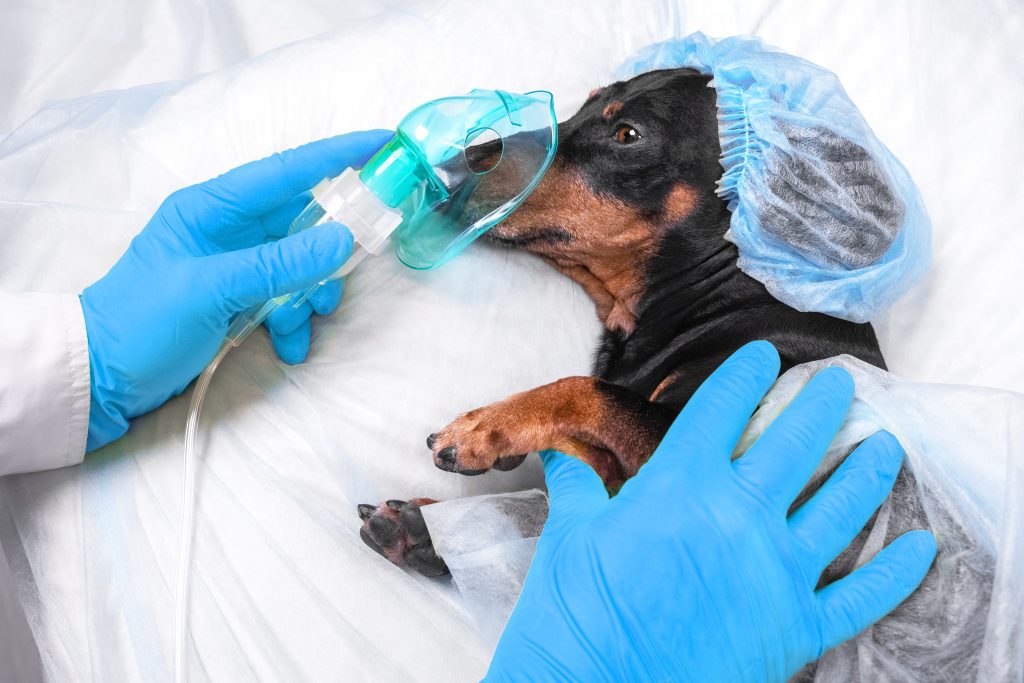
A laparoscopic spey takes a bit longer than a traditional spey, but your cat or dog will not be with us for longer than a day. The procedure includes:
- Making one or two small (0.5-1cm) incisions into the abdomen;
- A small amount of gas is inserted through the first incision to separate the body wall from the internal organs;
- A fiberoptic video telescope is inserted through the same incision to give our surgeons a clear view of the surgical site;
- Precise surgical instruments are inserted through the telescope operating portand the ovaries are removed;
- Sometimes a second incision is made before removing the ovaries, but most desexing is performed with the single port approach.
Laparoscopic spey recovery
A laparoscopic spey is much less invasive than traditional desexing and after the anaesthetic drugs have worn off, most don’t seem to realise they’ve had surgery. Even so it is best that your pet has time to recover. In general, you should minimise your pet’s activities for a day or two after the surgery. During the recovery period:
- Keep your pet indoors, away from other animals;
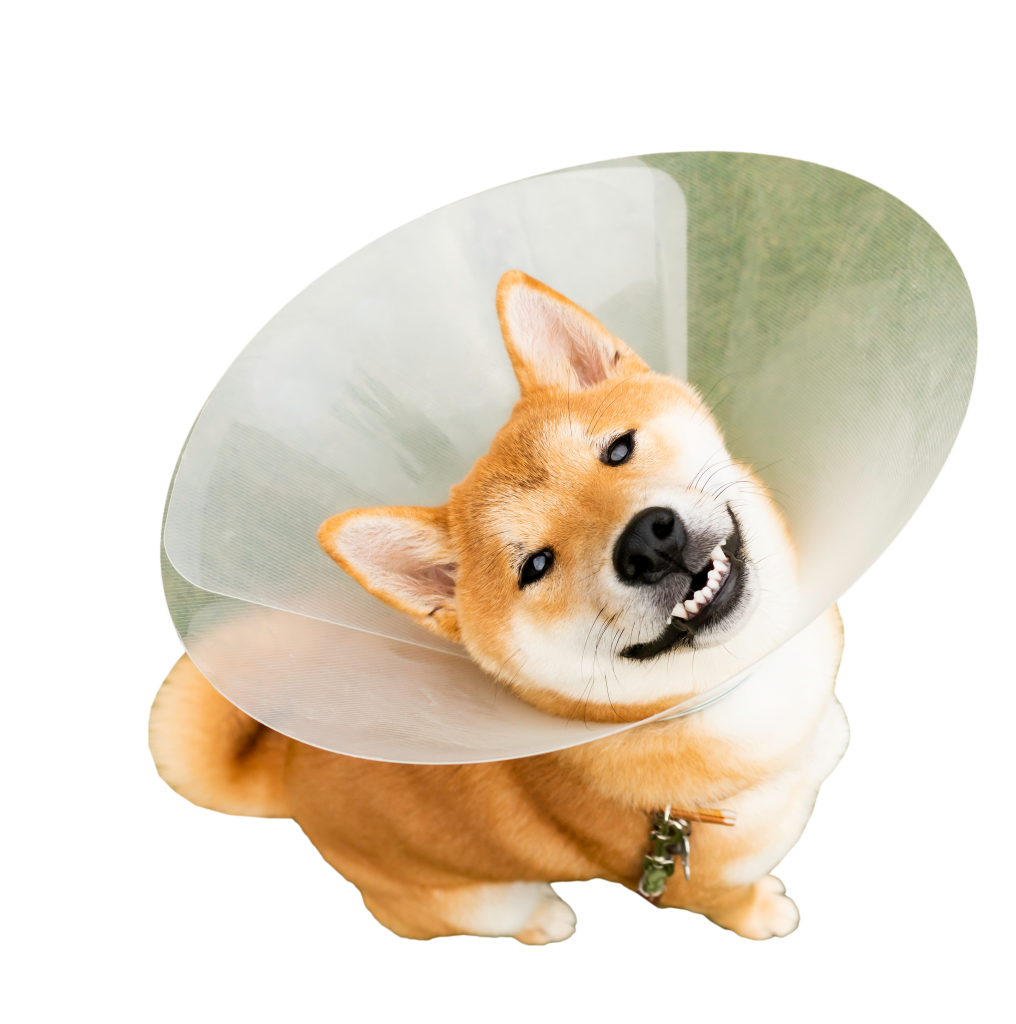
- Prevent your pet from licking the incisions because it increases the risk of infection. A standard cone will prevent your pet from licking the wound;
- Do not bathe your pet for approximately 10 days after the surgery;
- Monitor the wounds daily for signs of infection. In case you notice swelling or discharge, contact Red Hill Vet immediately for advice on what to do next;
- Monitor your pet’s overall health. If they have diarrhoea, vomit, appetite loss, or seem lethargic, contact Red Hill Vet.
Is laparoscopic spey surgery safe?
All surgical procedures have certain risks. However, a laparoscopic spey is not a major surgery and it is the safest spaying technique currently available.
Does a laparoscopic spey remove the uterus?
No, a standard laparoscopic spey does not remove the uterus, only the ovaries.
What is the healthiest age to spey a dog?
We recommend different ages for desexing depending on the breed of your dog. Our vets can provide you with the most up to date advice on the timeline best suited for your dog’s health and behaviour.
What is the healthiest age to spey a cat?
The appropriate age for desexing can vary depending on the breed and size of your cat and your lifestyle. Generally, it is best done before puberty which is around 6 months of age although the procedure can be done at a later stage.
Give your pets the
care they deserve.
Make an appointment for a laparoscopic spey in Brisbane and help your pets live a long and healthy life. Red Hill Vet Clinic also offers any other veterinary services you may need – from advanced surgical procedures to wellness treatment.

FAQs.
Lorem ipsum dolor sit amet, consectetur adipiscing elit?
Lorem ipsum dolor sit amet, consectetur adipiscing elit?
Lorem ipsum dolor sit amet, consectetur adipiscing elit?